July 27, 2026
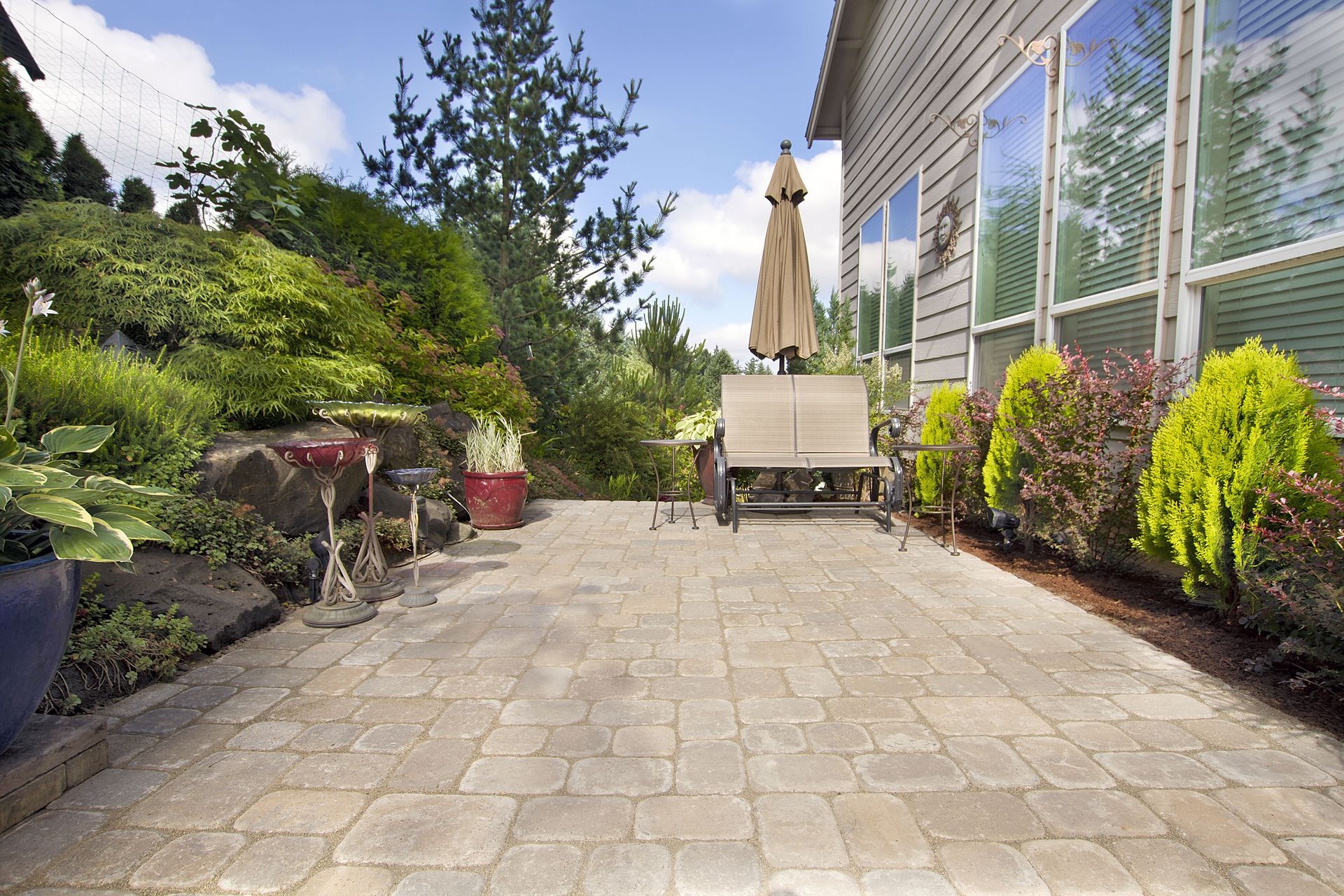
Hardscaping refers to the use of constructed, non-living elements in landscaping design, such as patios, walkways, retaining walls, and other structures. It contrasts with softscaping, which involves the use of plants and horticulture. Hardscaping is a crucial component of landscape design as it contributes not just to the visual aesthetics but also to the functional and environmental aspects of a property. By integrating hardscaping services into an outdoor plan, property owners can create an organized and inviting outdoor space that is both practical and visually appealing. The rise in popularity of hardscaping can be attributed to its multitude of benefits, which we will explore in detail throughout this article.
1. Enhancing Aesthetic Appeal
Variety of Design Options
Hardscaping offers a wide array of design options that can suit different tastes and architectural styles. Whether one prefers a modern minimalist look or a more traditional rustic feel, there are materials and structures to complement any preference. These options allow for a cohesive flow between the natural landscape and constructed elements, adding depth to the property’s aesthetic. From stone pathways to wooden decks, each element can be customized to enhance the overall visual impact. The variety available through hardscaping services ensures that any homeowner can find the perfect combination to fit their vision.
Complementing Natural Landscapes
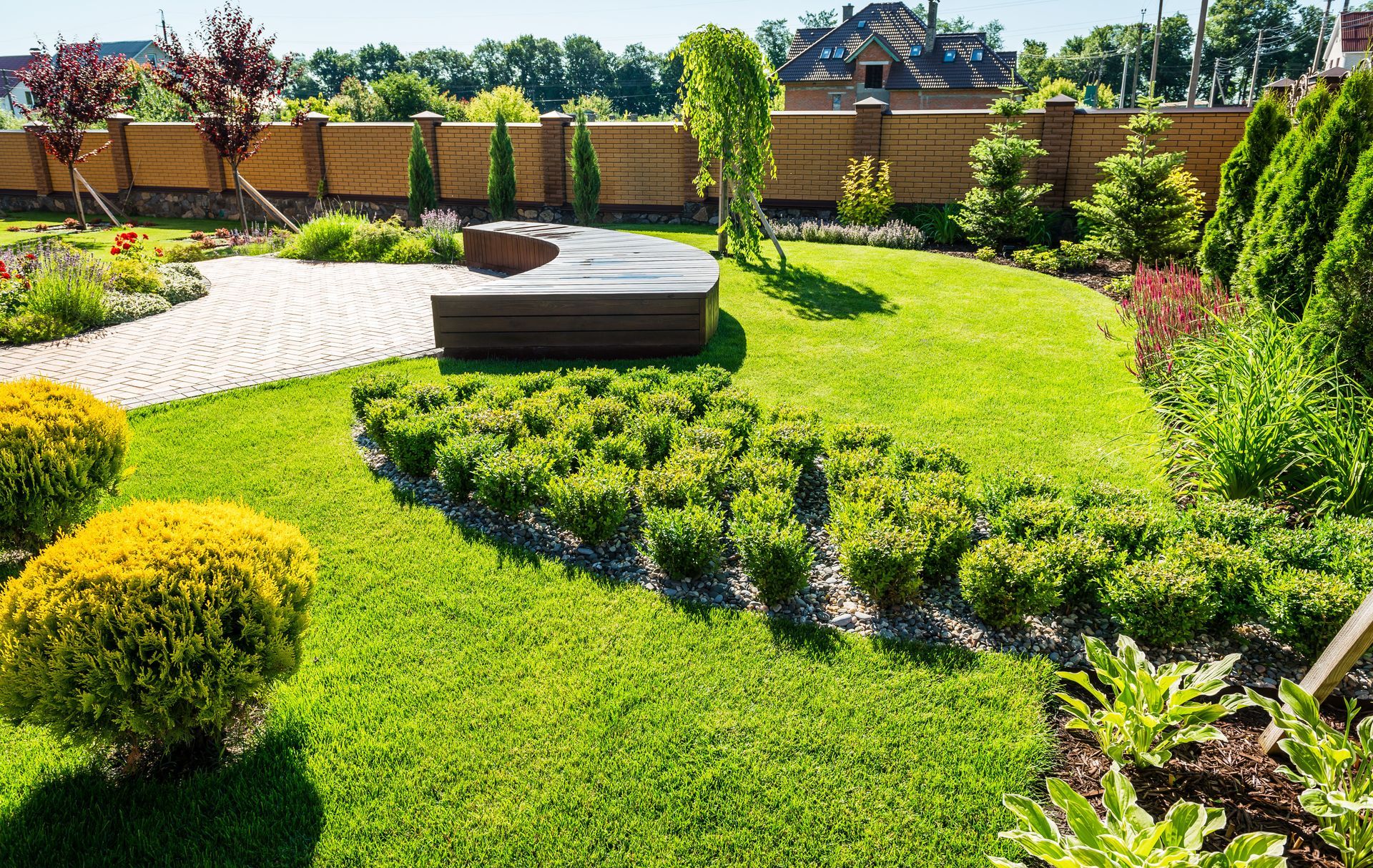
One of the key advantages of hardscaping is its ability to complement and enhance natural landscapes. Carefully designed hardscape structures can highlight the beauty of existing natural elements, such as gardens and water features. By integrating these elements into the landscape, homeowners can create a harmonious environment where nature and architecture coexist beautifully. Hardscaping can also be used to create transitional spaces that blend indoor and outdoor living areas. The strategic placement of conduits, stone walls, and terraces can further enhance the natural beauty of a property.
Creating Visual Focal Points
Hardscaping elements act as visual focal points that draw the eye and enhance the overall aesthetic appeal of a landscape. Features like fountains, fire pits, or pergolas can serve as statement pieces that encourage the use of outdoor spaces. These focal points can be designed to reflect personal style and taste, creating unique attractions within a property. Visual focal points also help break up the monotony of large expanses of softscape, offering contrast and interest. The use of various materials and textures in these structures can further add to their visual appeal.
Use of Diverse Materials
Hardscaping employs a range of materials such as stone, wood, concrete, and metal, each offering different aesthetic and functional properties. The diversity of materials allows for creative expression, with possibilities for mixing and matching to create a unique landscape design. Different materials also offer various color palettes, texture options, and structural capabilities. This diversity ensures that the end result is both functional and visually appealing, catering to personal preferences and design goals. The choice of materials can significantly influence the durability and maintenance requirements of hardscape features.
Customization to Personal Style
Hardscaping is highly customizable, allowing homeowners to infuse their personal style into their outdoor spaces. From the choice of materials to the design of structures, every aspect can be tailored to the owner's taste. Custom designs ensure that the landscape is not only functional but also a true reflection of the homeowner's lifestyle and preferences. Personalized designs often involve intricate detailing or innovative solutions to meet specific needs. This capability to cater to personal styles can significantly enhance satisfaction and enjoyment of outdoor spaces.
2. Increasing Property Value
Curb Appeal Enhancement
Hardscaping significantly enhances a property's curb appeal, making it more attractive to potential buyers or tenants. A well-designed hardscape immediately elevates the visual impression of a property, setting it apart in the real estate market. The presence of functional and aesthetically pleasing outdoor spaces can make a lasting first impression. Enhanced curb appeal not only appeals to the aesthetic senses but also communicates a sense of quality and care in property management. Consequently, hardscaping services can also lead to increased property value.
Long-term Financial Investment
Investing in hardscaping is a financially savvy decision, as it provides long-term benefits and returns. Unlike some softscaping elements that may require frequent replacement, hardscape structures are built to last. This durability makes hardscaping a practical financial investment, offering significant economic advantages over time. Properly maintained hardscapes can significantly extend the lifespan of a property, further adding value. Thus, investing in quality hardscape elements promises return both in terms of enhanced use and resale value.
Impact on Real Estate Marketability
In the competitive real estate market, properties with thoughtfully designed hardscapes stand out, making them more marketable. The aesthetic and functional improvements provided by hardscaping are highly sought after by prospective buyers. Real estate agents often highlight these features as key selling points during property showings. Approximately 1.3 million individuals are employed in the U.S. landscaping industry, according to Zippia, underscoring the high demand and importance of well-landscaped properties. As a result, properties improved with hardscaping services are more likely to attract buyers, facilitating quicker sales at better prices.
Attracting Potential Buyers
The attractiveness provided by hardscaping can significantly broaden the market for potential buyers. By creating inviting, low-maintenance outdoor areas, properties can appeal to a wider audience, including those not inclined towards intensive gardening. Thoughtful hardscaping design can accommodate entertaining areas, play spaces, and relaxing retreats, catering to diverse lifestyle preferences. Therefore, hardscaped properties are more appealing to families, young professionals, and retirees alike. This wider buyer pool can optimize listing exposure and lead to faster transactions.
3. Low Maintenance Requirements
Durability of Hardscape Materials
The durability of hardscape materials significantly reduces the need for regular maintenance. Unlike living plant materials, which require constant attention to thrive, hardscape elements are resilient and endure the elements. Materials such as stone, concrete, and brick are designed to withstand various weather conditions, minimizing the need for repairs. This durability translates to lower maintenance costs and efforts over time. Consequently, hardscaping services allow property owners to enjoy their outdoor spaces without the worry of frequent upkeep.
Reduced Water Usage
Hardscaping minimizes water usage, making it an environmentally friendly option for landscaping. Unlike lawns and gardens, which require regular watering, hardscape elements like patios and terraces need no irrigation. This reduction in water usage not only conserves a precious resource but also lowers utility bills. By incorporating drought-resistant features, homeowners can also contribute to the sustainability of their environments. As a result, hardscaping provides an eco-conscious alternative to traditional green spaces.
Minimal Seasonal Upkeep
One of the primary advantages of hardscaping is its minimal seasonal upkeep requirements. Unlike softscaping elements that change with the seasons, hardscapes maintain their appearance year-round. This consistency ensures that outdoor spaces remain attractive and useable regardless of the time of year. Hardscaping also simplifies preparation for seasonal changes, such as leaf clearing or frost protection, which are often unnecessary. With less focus on seasonal tasks, homeowners can enjoy their spaces with greater convenience.
Longevity and Lifespan
The longevity and lifespan of hardscape installations are vastly superior to those of most softscape elements. When properly installed and maintained, hardscape features like stone walks and retaining walls can last for decades. This longevity means that initial investments in quality materials and construction methods continue to yield benefits over time. Not having to frequently replace or refurbish these elements helps keep maintenance costs low. Therefore, the extended lifespan created by hardscaping services represents both economic and practical advantages for property owners.
Hardscaping stands as a multifaceted investment in enhancing property aesthetics, functionality, and value. Through innovative design and practical planning, these non-living landscaping elements can transform spaces into functional, beautiful environments. From enhancing aesthetic appeal and property value to offering low-maintenance solutions, hardscaping services offer numerous advantages for all types of properties. As part of broader landscape design, hardscaping integrates seamlessly with natural environments, contributing to ecological sustainability. The collective benefits outlined affirm hardscaping's role as a valuable and strategic addition to any landscaping project. Contact Colonial Landscaping today to learn more about our hardscaping services.