September 29, 2026
Selecting the right commercial landscaper is a crucial decision for business managers and property owners who want to maintain an appealing exterior. The surrounding grounds of a facility serve as a physical representation of an organization, creating an immediate first impression for clients, tenants, and visitors. While routine groundskeeping maintains curb appeal, commercial properties require specialized care that balances safety, structural integrity, and long-term vitality. Distinct property demands mean that commercial entities must look for contractors capable of executing broad projects with consistency and professional precision.
According to Zippia, single-family residential properties make up 62% of the market for landscaping enterprises, which highlights how heavily the industry leans toward home services. Commercial grounds require a different scope of work altogether, ranging from heavy site management to extensive structural installations. Business owners must evaluate candidates carefully to confirm they possess the exact operational capabilities necessary for large-scale grounds management. Finding a contractor with the proper qualifications ensures that your commercial property stays clean, safe, and welcoming throughout every season.
1. Evaluate Experience and Expertise
Commercial properties demand broad industry knowledge and skilled personnel who understand the complexities of expansive grounds. A contractor with years of operational tenure demonstrates organizational stability and a reliable history of serving commercial accounts. Experienced teams have managed varied property challenges, refined their seasonal workflows, and earned industry credentials that validate their technical competence. These qualifications showcase a commitment to industry standards, giving property managers confidence that workers follow proper protocols during site cleanup, tree pruning, and garden bed maintenance.
A versatile commercial contractor offers a comprehensive suite of services that covers every aspect of outdoor maintenance and development. Commercial sites often require simultaneous execution of turf mowing, seasonal bulk material delivery, leaf removal, and custom hardscaping installations like retaining walls or heavy concrete walkways. Working with a single commercial provider simplifies site management by streamlining administrative communication and project scheduling. Evaluating a company's past work portfolio and professional affiliations offers clear insight into their technical capabilities, operational scale, and ability to handle complex challenges on the grounds.
2. Review Reputation and Reliability
A contractor's track record across local commercial properties reveals their dedication to service quality and operational consistency. Client reviews on digital platforms and detailed case studies illustrate how effectively a company resolves property issues and fulfills contractual obligations. Consistent praise regarding timeliness, clean work sites, and thorough execution indicates a business that values professional standards. Business managers should look for documented proof of how a crew handles unexpected landscape challenges or seasonal demands.
Direct recommendations from nearby business partners provide authentic insight into a contractor's everyday performance and general reliability. Speaking with property managers who oversee similar commercial facilities helps confirm whether a grounds crew maintains consistent schedules and delivers clean results. Excellent commercial service providers prioritize rapid resolution whenever concerns arise, demonstrating accountability and respect for the client's business image. Professional hardscaping contractors establish dependable relationships by completing sturdy stone installations and lawn care tasks with detailed precision.
3. Prioritize Creativity and Customization
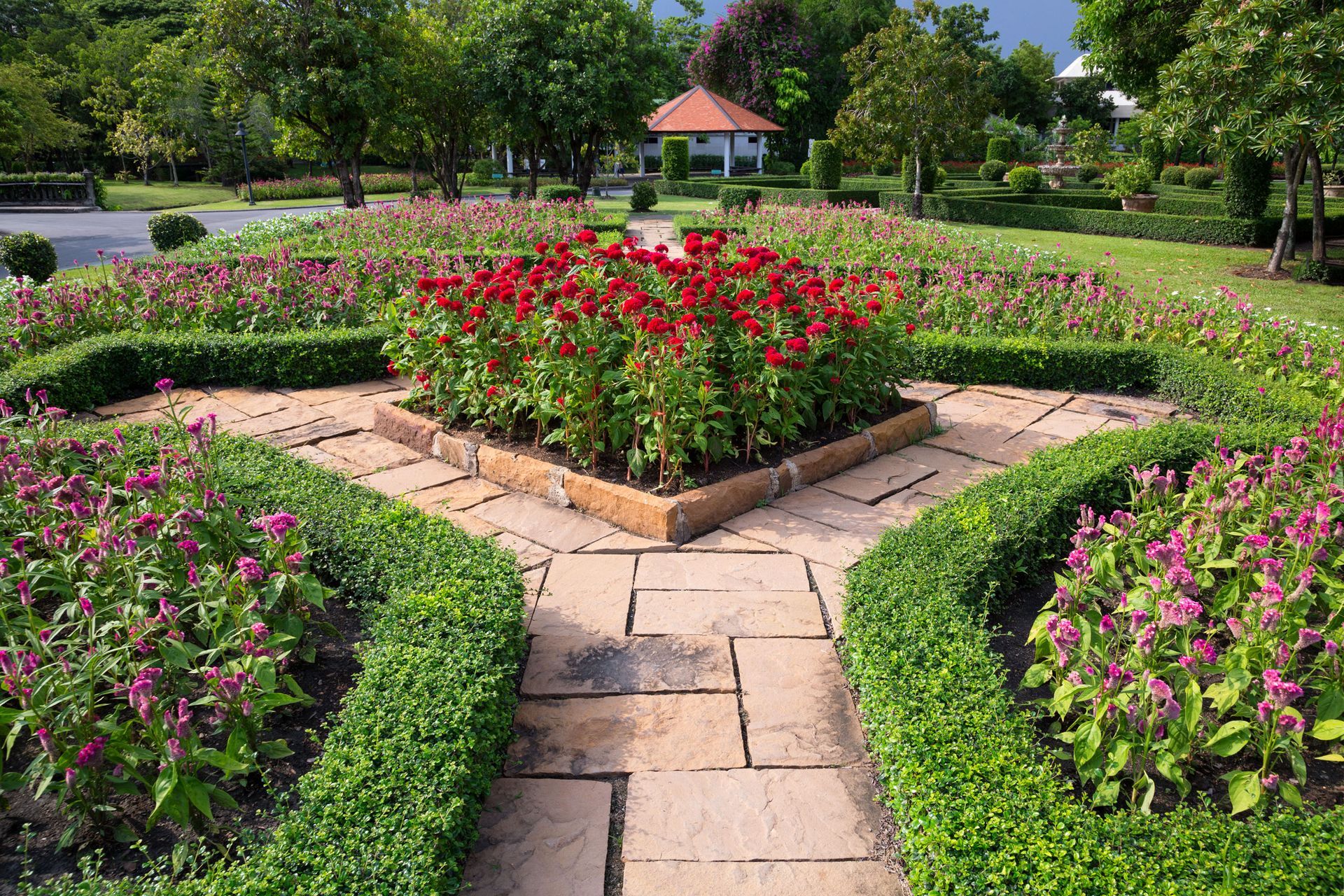
Every commercial facility possesses distinct structural features, architectural styles, and operational goals that require tailored landscape designs. Capable contractors avoid generic template solutions, choosing instead to design functional outdoor spaces that align with corporate branding. Tailored designs combine vibrant flower bed installations, healthy turf grass, and strategically placed outdoor lighting to create an inviting entrance for visitors. Aligning landscape features with corporate identity enhances property presentation while maximizing the usable space surrounding commercial buildings.
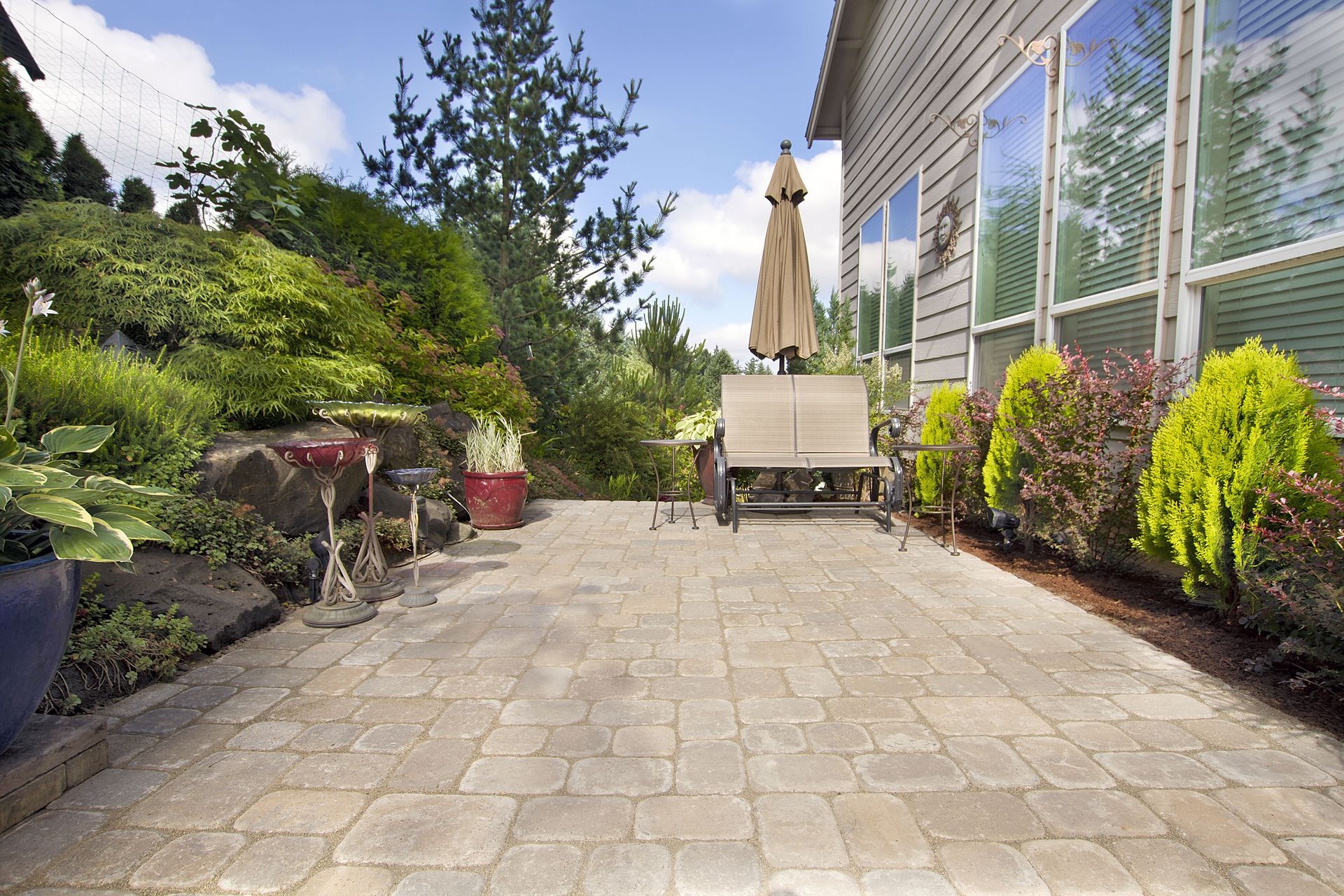
Flexibility during the design and installation stages allows commercial contractors to adapt to unexpected site conditions or structural changes. Creative teams incorporate durable materials and native plantings that complement existing hardscaping elements like paver patios and retaining walls. Landscapers who listen carefully to client requirements can integrate custom shrub plantings and seasonal flower rotation schedules seamlessly into the overall site plan. Reviewing a contractor's portfolio demonstrates their creative range, proving their capability to design functional, attractive spaces for any commercial facility.
4. Support Sustainability and Stewardship
Environmental responsibility has become a central focus for modern corporate operations, making sustainable landscaping practices increasingly vital. Progressive commercial contractors incorporate eco-friendly methods that protect local ecosystems while preserving the health of your grounds. Utilizing native plant species reduces ongoing water demand and minimizes the need for synthetic treatments, supporting local biodiversity. Responsible grounds crews also practice proper waste reduction by composting organic debris, recycling plant trimmings, and placing bulk materials efficiently.
Conserving natural resources through intelligent landscape design ensures long-term environmental benefits for commercial properties. Irrigation system installations focus on targeted water distribution, reducing runoff and promoting deep root development across lawn areas and garden beds. Integrating energy-efficient landscape lighting fixtures illuminates walkways and building perimeters without wasting power. In addition, integrating durable stone hardscaping reduces turf coverage, decreasing overall water usage while creating low-maintenance gathering areas for employees and clients.
5. Foster Communication and Collaboration
Clear and open communication forms the foundation of a successful partnership between a commercial client and a landscaping provider. A responsive contractor provides regular project updates, answers inquiries promptly, and maintains operational transparency throughout the contract term. Clear operational plans, precise service schedules, and transparent project documentation eliminate misunderstandings and foster clear expectations. Property managers benefit when landscape partners offer accessible points of contact who address immediate groundskeeping concerns without delay.
Understanding client goals requires active listening and ongoing collaboration from initial consultation through seasonal maintenance execution. Dedicated commercial contractors offer continuous support after project completion, delivering regular lawn edging, shrub pruning, and debris removal to keep grounds pristine. Incorporating functional hardscaping elements like retaining walls and stone walkways requires clear coordination to ensure daily business operations suffer zero disruptions. Building a collaborative relationship ensures that groundskeeping services adapt seamlessly as commercial facilities grow and operational needs evolve.
6. Verify Safety and Compliance
Safety protocols and industry compliance are mandatory considerations when selecting a contractor for high-traffic commercial environments. A legitimate commercial landscaper maintains comprehensive general liability insurance and proper state licensing to protect property owners from liability during active projects. Professional crews adhere strictly to safety guidelines when operating heavy machinery during bulk material delivery, tree removal, or excavation work. Verifying these qualifications ensures that every project meets local municipal building codes and safety regulations.
Maintaining a clean and hazard-free work site reflects a company's internal standards and respect for commercial clients. Proper safety training prevents workplace accidents, protecting employees, visitors, and facility staff while work is underway. Experienced contractors manage site risk through clear signage, site barriers, and tidy material storage during lawn maintenance and hardscaping construction. Choosing a fully insured, safety-focused contractor guarantees that your commercial property remains safe, compliant, and pristine throughout every phase of service.
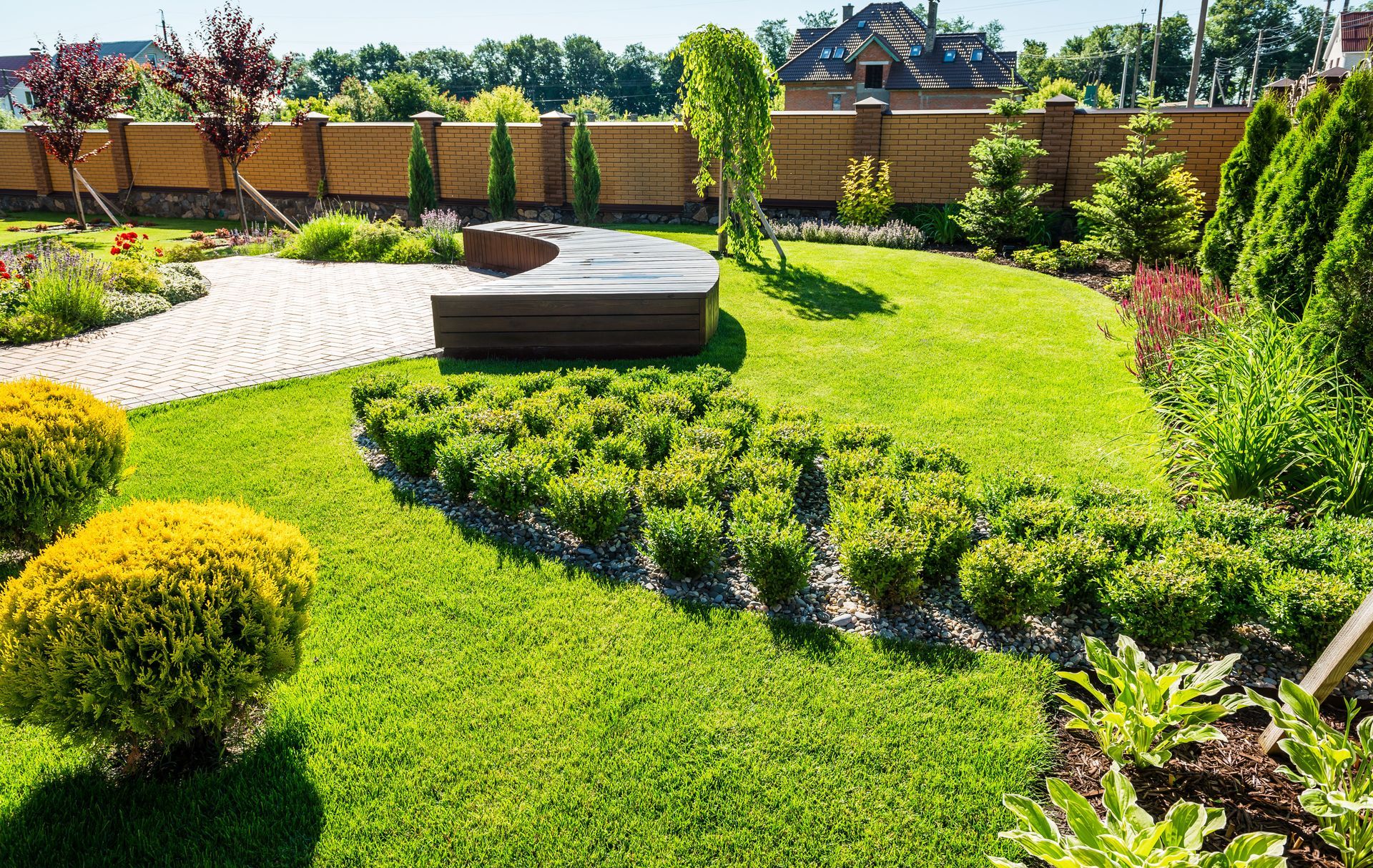
Selecting the ideal commercial grounds partner involves reviewing industry experience, client reputation, creative adaptability, sustainable practices, open communication, and strict safety standards. Commercial properties require balanced exterior management that combines active lawn care, plant maintenance, and structural stonework to maintain strong curb appeal. By choosing a dedicated contractor capable of managing both living landscapes and functional exterior structures, business managers ensure long-term value and an attractive site presentation. Investing in comprehensive exterior maintenance protects property investments while fostering a professional setting for employees and visitors alike.
Enhance your commercial property's appearance and functionality with expert lawn care, custom garden designs, and durable hardscaping solutions tailored to your unique site needs. Contact us today at Colonial Landscaping to schedule a free onsite estimate and discuss how we can elevate your commercial grounds.